Microneedling Alone vs Microneedling with Exosomes: What's the Real Difference in Results?
If you've been researching skin rejuvenation treatments, you've probably come across both traditional microneedling and microneedling with exosomes. While they may sound similar, the results and how they work are not exactly the same.
The difference between microneedling and microneedling with exosomes comes down to what happens after the tiny microchannels are created in your skin. Traditional microneedling relies on your body's natural healing response, while adding exosomes aims to support and enhance that regenerative process.
Neither treatment is automatically "better". The right option depends on your skin concerns, goals and what level of skin regeneration you're hoping to achieve.
In this guide, we'll explain how both treatments work, how the results compare, who each treatment is most suitable for and why exosomes are becoming one of the most talked-about developments in regenerative aesthetics.
A Quick Comparison: Microneedling vs Microneedling with Exosomes
Traditional microneedling creates tiny controlled micro-injuries in the skin using fine needles. These microchannels stimulate your body's natural healing response, encouraging collagen and elastin production over time.
Microneedling with exosomes follows exactly the same treatment process, but exosomes are applied immediately afterwards while the skin is most receptive. The aim is to support skin repair, encourage healthier cell communication and promote more efficient regeneration.
In simple terms:
| Microneedling | Microneedling with Exosomes |
|---|---|
| Stimulates natural collagen production | Stimulates collagen while supporting skin regeneration with exosomes |
| Improves texture and fine lines | May improve texture, recovery and overall skin quality further |
| Uses your body's natural healing process | Combines natural healing with regenerative support |
| Suitable for many common skin concerns | Often chosen for ageing, damaged or more challenging skin concerns |
Both treatments work well, but they are designed to achieve slightly different outcomes.
What Is Microneedling?
Microneedling is a minimally invasive skin treatment that encourages your skin to repair itself naturally.
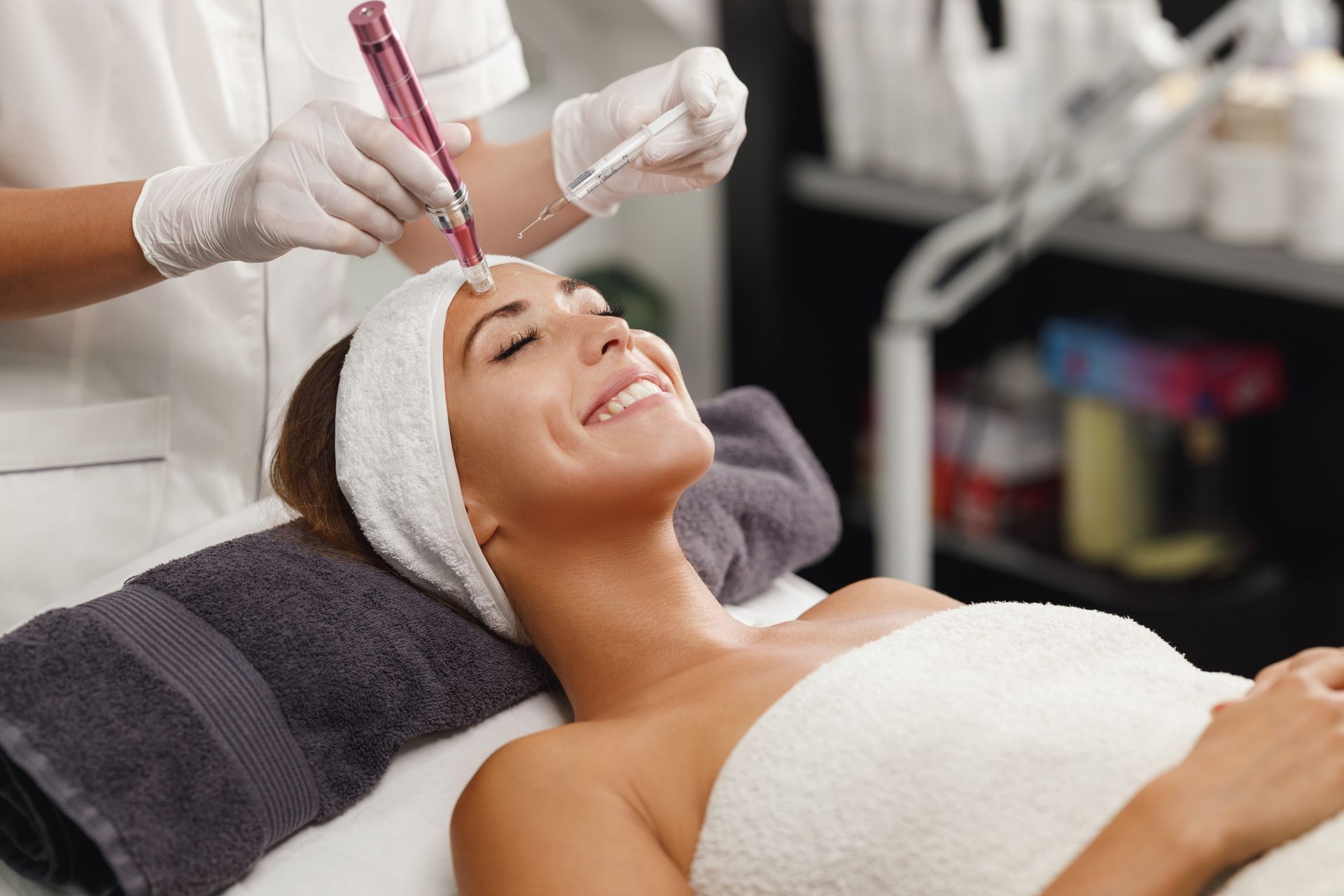
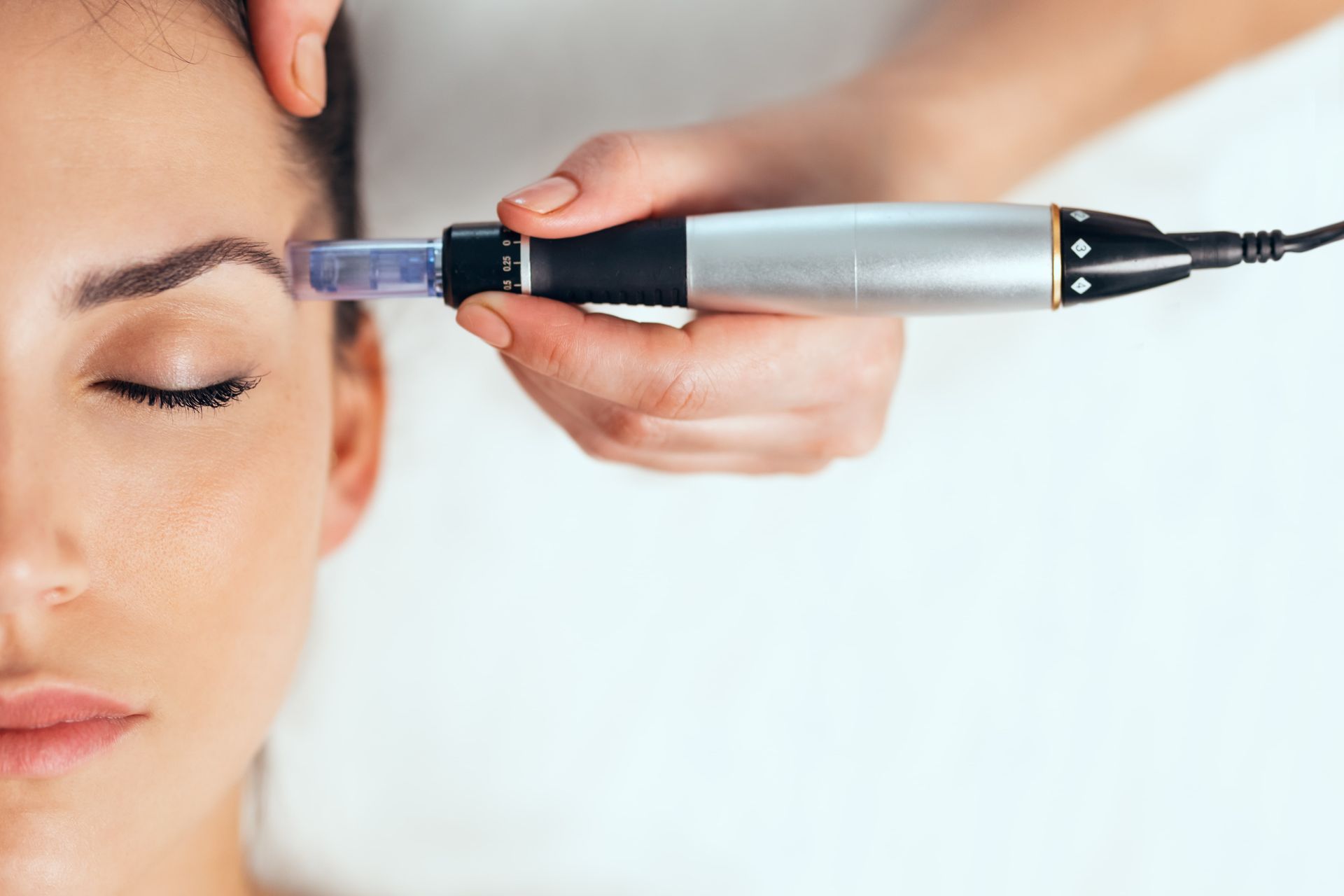
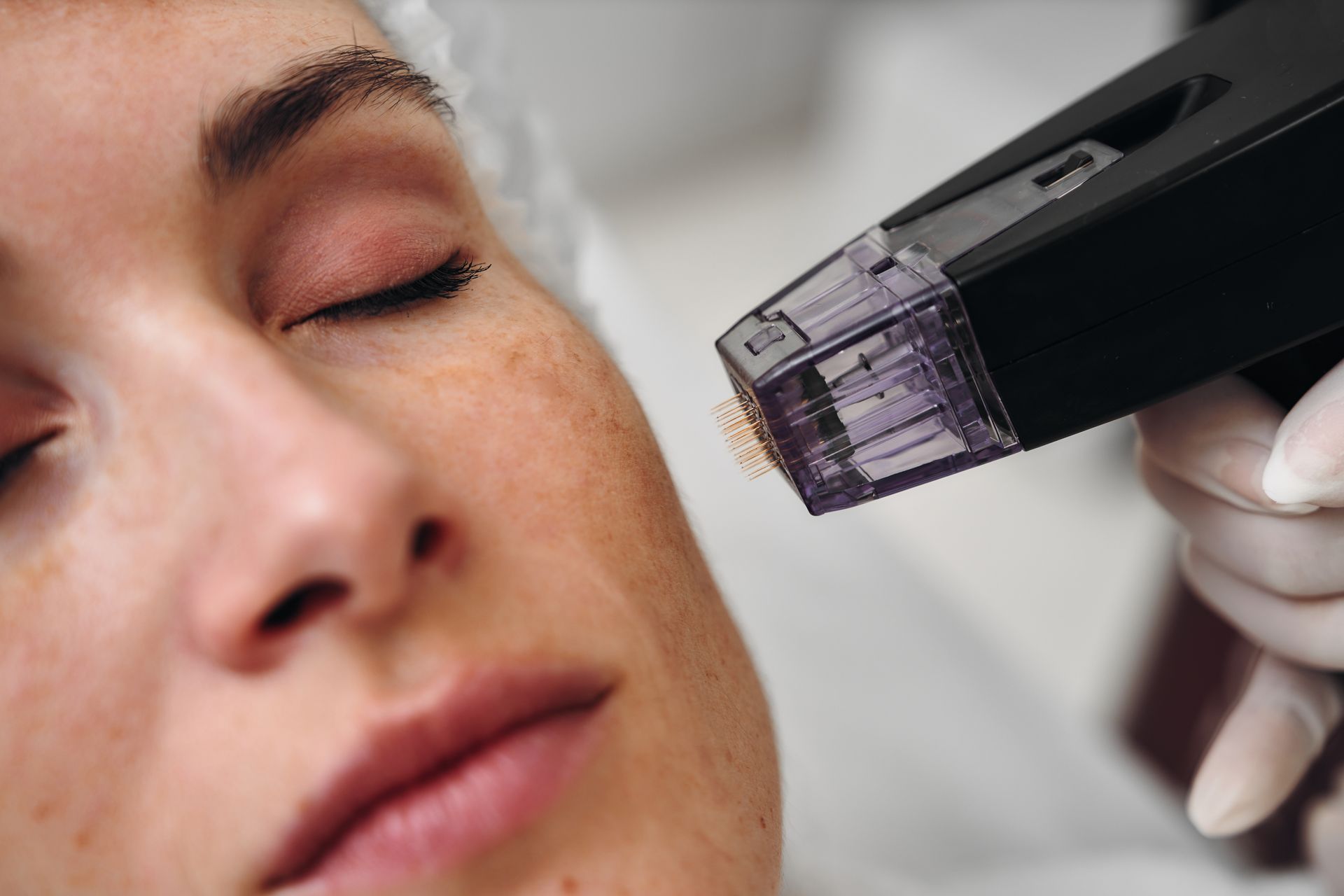
Using a medical-grade device fitted with tiny sterile needles, controlled microchannels are created in the skin. These trigger your body's wound-healing response, increasing the production of collagen and elastin.
Over the following weeks, many people notice gradual improvements in:
- Fine lines
- Uneven skin texture
- Enlarged pores
- Mild acne scarring
- Skin firmness
- Overall radiance
Because collagen takes time to rebuild, improvements tend to develop gradually over several weeks, with multiple treatments often recommended for the best outcome.
If you're considering professional microneedling, you can learn more about the treatment at Venustas Aesthetics here.
What Are Exosomes?
Exosomes are naturally occurring microscopic extracellular vesicles released by cells. Their role is to carry signalling molecules, proteins, lipids and growth factors that help cells communicate with one another.
In aesthetic medicine, exosome products are increasingly being used to support skin regeneration following procedures such as microneedling.
Rather than replacing collagen or acting like a dermal filler, exosomes are designed to support the skin's own repair processes.
Why Combine Exosomes with Microneedling?
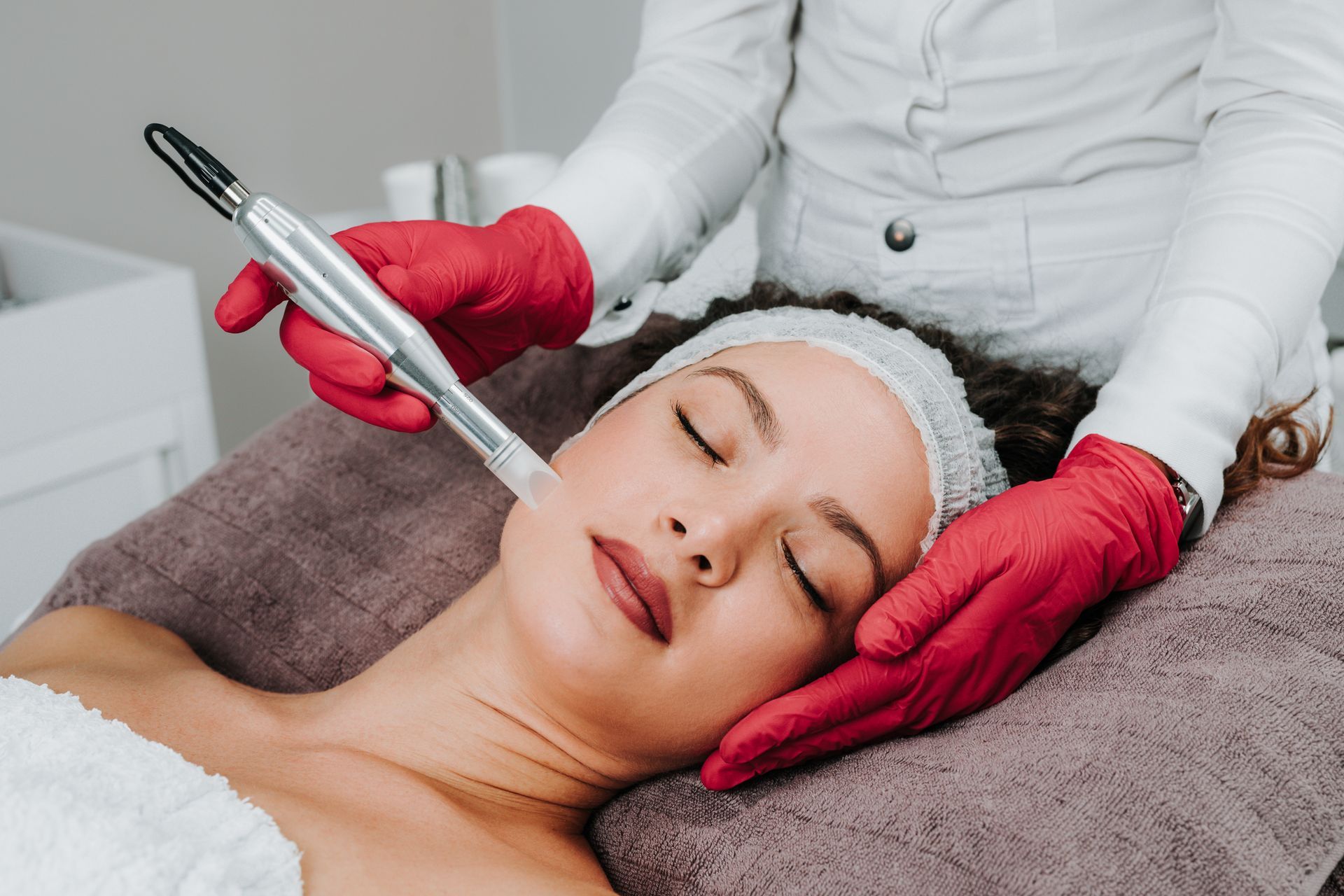
Microneedling temporarily creates thousands of microscopic channels in the skin.
These channels provide an opportunity for topical regenerative ingredients to be delivered more effectively into the upper layers of the skin.
Applying exosomes immediately after microneedling may help support:
- Skin repair
- Cell communication
- Collagen production
- Skin hydration
- Recovery following treatment
Many practitioners view the combination as building on the benefits of traditional microneedling rather than replacing it.
This is why the treatment is becoming increasingly popular among people looking for more advanced skin rejuvenation.
Which Treatment Might Be Right for You?
While both treatments aim to improve skin quality, the best choice depends on your individual concerns, skin condition and desired outcome.
Choose Traditional Microneedling If...
Traditional microneedling may be a good option if you:
- Want to improve mild fine lines and skin texture
- Are looking to stimulate natural collagen production
- Have enlarged pores or early acne scarring
- Are new to skin rejuvenation treatments
Consider Microneedling with Exosomes If...
You may wish to discuss microneedling with exosomes if you're looking to:
- Support skin regeneration following microneedling
- Improve overall skin quality and hydration
- Address more advanced signs of skin ageing
- Explore newer regenerative aesthetic treatments
A Consultation Is the Best Way to Decide
Although online guides can help you understand the differences, no treatment is suitable for everyone. Factors such as your skin type, medical history and treatment goals should always be assessed before deciding whether microneedling alone or microneedling with exosomes is the most appropriate option.
Does Microneedling with Exosomes Hurt More?
No. The microneedling procedure itself is the same whether exosomes are used or not.
Most people describe the treatment as mildly uncomfortable rather than painful, particularly when a topical numbing cream has been applied beforehand.
Adding exosomes does not usually make the treatment itself feel any different.
Is There Any Difference in Recovery Time?
Recovery following traditional microneedling is usually straightforward.
You may experience:
- Mild redness
- Slight sensitivity
- Temporary dryness
- A feeling similar to mild sunburn
Many people return to normal daily activities within a day or two.
Some practitioners report that exosomes may help support the skin's recovery following treatment, although individual experiences vary and research in this area continues to develop.
Your practitioner will provide personalised aftercare advice based on your treatment and skin type.
Should You Choose Microneedling Alone or Microneedling with Exosomes?
There isn't a one-size-fits-all answer.
Traditional microneedling remains an excellent treatment for improving skin texture, encouraging collagen production and supporting healthier-looking skin.
Microneedling with exosomes builds on that foundation by incorporating regenerative technology that aims to further support the skin's natural healing processes.
The right choice depends on factors including:
- Your skin concerns
- Your treatment goals
- Your skin health
- Previous aesthetic treatments
- Professional clinical assessment
If you're unsure which approach is most suitable, discussing your concerns with an experienced medical aesthetics practitioner can help you make an informed decision.
Frequently Asked Questions
Is microneedling with exosomes worth it?
For some people, adding exosomes may offer additional regenerative support alongside traditional microneedling. Whether it's worthwhile depends on your skin concerns, treatment goals and clinical suitability.
Can exosomes replace microneedling?
No. Exosomes are typically used alongside treatments such as microneedling rather than replacing them. Microneedling creates the controlled skin response that stimulates collagen production.
How many treatments will I need?
The number of sessions varies depending on your skin concerns and desired results. Your practitioner will recommend a personalised treatment plan after assessing your skin.
Title or Can microneedling with exosomes be combined with other treatments?
In some cases, yes. Depending on your skin goals, your practitioner may recommend combining treatments as part of a personalised treatment plan. This should always be discussed during your consultation.
Are exosomes the same as skin boosters?
No. Although both aim to improve skin quality, they work differently. Skin boosters primarily focus on improving hydration and stimulating collagen, whereas exosomes are designed to support cellular communication and skin regeneration. You can learn more about injectable skin rejuvenation options on the Venustas Aesthetics Skin Boosters page.
Thinking About Microneedling? Here's Your Next Step
If you're considering microneedling or would like to understand whether adding exosomes may be appropriate for your skin, speaking with a qualified medical aesthetics practitioner is the best place to start.
At Venustas Aesthetics, every consultation is tailored to your individual skin concerns and goals, helping you understand your options before deciding on treatment.
To learn more about the clinic, visit the about page, or arrange a consultation through the contact page.